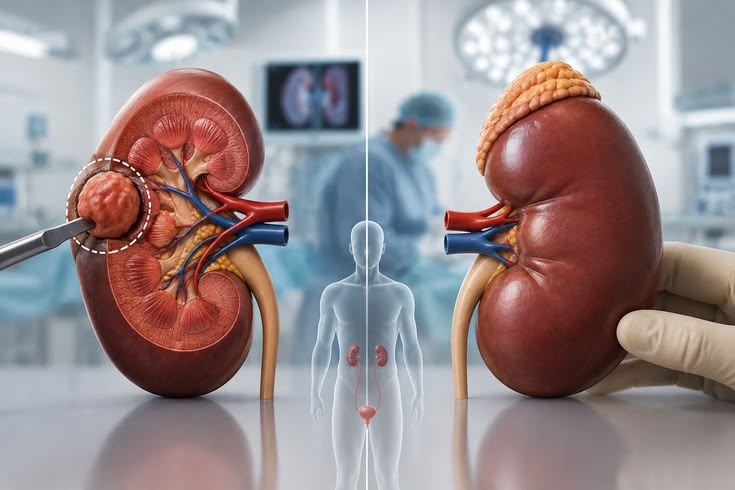
Kidney Specialist Doctor in Gurgaon: When Is Specialist Care Needed
By Dr P N Gupta, Director & HOD – Nephrology & Kidney Transplant, Paras Hospitals, Gurugram,
You should see a kidney specialist doctor, called a nephrologist, when your kidney tests stay abnormal, when your kidney function is falling, when your urine shows protein or blood, or when diabetes or high blood pressure begins to affect your kidneys. You do not need to wait for symptoms. In its early stages, kidney disease often causes none.
That is what makes the timing difficult. A creatinine value that is slightly high, or a line on a urine report that your doctor mentions in passing, is easy to set aside. This guide explains which findings usually call for specialist care, which signs need urgent attention, and what to expect when you see a nephrologist in Gurgaon.
What does a kidney specialist doctor do?
A kidney specialist, or nephrologist, is a physician trained to diagnose and manage diseases of the kidneys, along with the problems they cause elsewhere in the body, such as high blood pressure, fluid build-up and imbalances in blood salts. Nephrologists look after chronic kidney disease, sudden kidney injury, protein leakage in the urine including nephrotic syndrome, diabetic and hypertensive kidney disease, and patients who need dialysis or a kidney transplant.
A nephrologist is not the same as a urologist. Urologists are surgeons who treat the urinary tract, for example stones that need removal or prostate problems. Some patients need one, some need both. Our article on nephrologist or urologist explains how to decide.
Signs that should not wait for an appointment
Go to a hospital emergency department, rather than waiting for a consultation, if you have any of the following:
Symptoms worth booking a consultation for
Persistent swelling around the ankles or eyes, foamy urine, blood in the urine, passing urine more often at night, unexplained tiredness, itching and loss of appetite are all reasons to book a consultation. None of them proves kidney disease, and many kidney problems cause no symptoms at all, which is why test results matter more than symptoms. Our article on kidney disease treatment in Gurgaon describes these symptoms in more detail.
Who should have kidney checks even without symptoms
Kidney function and a urine protein test are worth checking regularly if you have:
- Diabetes
- High blood pressure
- A family history of kidney disease
- Heart disease
- Regular use of over-the-counter painkillers such as diclofenac or ibuprofen
- Past kidney stones, repeated urinary infections or a structural problem in the urinary tract
- Age above 60
If you have diabetes or high blood pressure, kidney function and urine protein are generally checked at least once a year, or more often if your doctor advises. Do not stop or change any medicine on your own, as some need a dose adjustment when kidney function is reduced. Our guide to the prevention of kidney disease covers everyday steps that protect the kidneys.
What happens at your first visit to a nephrologist
A first consultation is mostly a conversation and a review of your records. The nephrologist asks about your symptoms, past illnesses, medicines and family history, checks your blood pressure, examines you, and goes through your reports to see how your kidney function has changed over time.
Depending on what is found, further tests may include repeat blood tests for creatinine and eGFR, urine tests for protein or albumin, an ultrasound of the kidneys and, in selected cases, a kidney biopsy.
What to bring with you:
All previous kidney function and urine reports, oldest first
Ultrasound or scan reports
A list of every medicine you take, including painkillers, supplements and home remedies
Home blood pressure and blood sugar readings, if you keep them
Discharge summaries from any past hospital stays
Older reports matter as much as recent ones. A nephrologist is looking for a trend, not a single number.
What treatment involves
For most people with early or moderate kidney disease, treatment means finding and treating the cause, controlling blood pressure and blood sugar, adjusting medicines, guiding diet and monitoring kidney function at regular intervals. The aim is to slow progression and protect the function that remains. Our page on chronic kidney disease treatment explains this in more detail.
Dialysis or a kidney transplant is discussed only when kidney function has fallen very low. Dr Gupta’s practice provides haemodialysis and online haemodiafiltration, and kidney transplant care, including pre-transplant evaluation and post-transplant follow-up.
When a second opinion is worth having
Consider a second opinion before starting dialysis, before a kidney biopsy or transplant decision, when the cause of your kidney disease is unclear, or when kidney function keeps falling despite treatment. Dr Gupta’s practice offers second opinions on kidney conditions. If you are comparing doctors, our guide on how to choose the best nephrologist in Gurgaon lists what to look for.
Consult a kidney specialist doctor in Gurgaon with Dr P N Gupta
Dr P N Gupta is Director & HOD – Nephrology & Kidney Transplant at Paras Hospitals, Gurugram. His practice covers chronic kidney disease, nephrotic syndrome, kidney biopsy, dialysis, critical care nephrology, renal failure management and kidney transplantation, including ABO-incompatible transplants.
Frequently asked questions
Is a kidney specialist the same as a nephrologist?
Yes. Nephrologist is the medical term for a kidney specialist doctor, a physician trained in diagnosing and managing kidney disease. A urologist is different: a surgeon who treats the urinary tract, including stones and prostate problems.
Which tests should I get done before the appointment?
A serum creatinine test with eGFR, a routine urine test and a urine protein or albumin test are the usual starting point. Bring an ultrasound of the kidneys if you already have one. Do not delay the appointment to collect tests you do not have, because the nephrologist can advise which ones are needed.
My creatinine is slightly high. Do I need a nephrologist?
Not necessarily on the strength of one reading. Creatinine can rise temporarily with dehydration, infection, certain medicines or a very muscular build, so the test is usually repeated. See a nephrologist if the value stays high, keeps rising, or comes with protein or blood in the urine, swelling or high blood pressure.
What is eGFR, and what is a normal value?
eGFR (estimated glomerular filtration rate) is a calculated estimate of how well your kidneys filter blood, based on your creatinine level, age and sex. A value of 90 or above is generally regarded as normal when there is no other sign of kidney damage. A value below 60 for three months or more meets the definition of chronic kidney disease, and a value below 15 indicates kidney failure. Your doctor interprets the number alongside your urine tests and history.
Can kidney disease be treated without dialysis?
In many cases, yes. Early and moderate kidney disease is generally managed by treating the underlying cause, controlling blood pressure and blood sugar, reviewing medicines and monitoring kidney function regularly. Dialysis is considered when kidney function has fallen very low. Whether damage can be reversed depends on the cause.
About the author
Dr P N Gupta is a nephrologist and kidney transplant specialist, and Director & HOD – Nephrology & Kidney Transplant at Paras Hospitals, Gurugram.
This article is for general education and does not replace a consultation with a qualified doctor. Reference values and treatment decisions depend on individual evaluation. If you think you may have an emergency, go to the nearest hospital.
Worried about your kidney test results?
Bring your reports and medicine list to a consultation, and Dr Gupta’s team can help you understand what the numbers mean and what to do next.