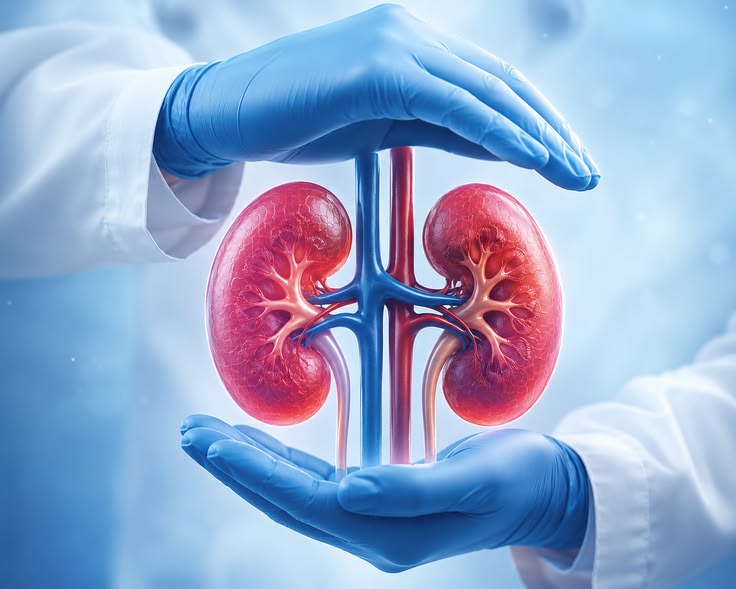
Best Nephrologist in Gurgaon: Why Patients Consult Dr P N Gupta
The best nephrologist in Gurgaon for you is the one whose training, experience and way of working fit your particular kidney problem. A doctor who is excellent for a complex transplant work-up may not be the obvious choice for someone who has just been told their creatinine is high, and the reverse can be true too. This article explains what to look for, and then shows how Dr P N Gupta's background measures up against those points so that you can decide for yourself.
Dr P N Gupta is Director & HOD – Nephrology and Kidney Transplant at Paras Hospitals, Gurugram. He has more than 20 years of experience in internal medicine and nephrology and has contributed to more than 800 kidney transplants. Patients from Gurgaon, Delhi and the wider NCR consult him for chronic kidney disease, dialysis and transplant care, and for second opinions on difficult kidney conditions.
What should you look for in a nephrologist in Gurgaon?
Start with formal nephrology training, then look at how much experience the doctor has with the problem you actually have, and finally at whether the setting can support you if your condition advances. Online rankings rarely tell you any of this. These five points are more useful:
A recognised nephrology qualification. A DM or DNB in Nephrology after general medicine training shows that the doctor has completed specialist kidney training. It is fair to ask.
Experience with your condition. Chronic kidney disease, nephrotic syndrome, dialysis planning and transplantation each call for different skills. Ask how often the doctor manages cases like yours.
Access to dialysis and transplant care. If your kidney function is likely to decline, it helps when one team can guide you through dialysis or transplant instead of handing you over midway.
Willingness to explain and to support a second opinion. A good specialist tells you why a test is needed and is comfortable when you want another view.
Continuity. Kidney disease is usually long-term. You need a doctor who will follow you over the years, not only during a crisis.
For a fuller checklist, read our guide on how to choose the best nephrologist in Gurgaon.
Dr P N Gupta: qualifications and current role
Dr Gupta completed his M.B.B.S. at King George's Medical College, Lucknow, and his M.D. in Medicine at S.N. Medical College, Agra. He then qualified in D.N.B. Nephrology and went on to a fellowship in kidney transplantation at Medanta Kidney & Urology Institute. He has also been a visiting fellow at Johns Hopkins Hospital, USA.
| Qualification / Role | Details |
|---|
| Current role | Director & HOD – Nephrology and Kidney Transplant, Paras Hospitals, Gurugram |
| M.B.B.S. (1997) | M.B.B.S. (1997)'s Medical College, Lucknow |
| M.D. Medicine (2003) | S.N. Medical College, Agra |
| D.N.B. Nephrology (December 2010) | National Board of Examinations in Medical Sciences |
| Fellowship, Kidney Transplantation | Medanta Kidney & Urology Institute |
| Visiting Fellow | Johns Hopkins Hospital, USA |
| Fellowships | F.I.C.P. (APICON 2016, Hyderabad); F.I.A.C.M., F.I.M.S.A., F.G.S.I. (2012) |
Beyond clinical work, Dr Gupta has helped build kidney transplant programmes, including infrastructure, transplant licensing and multidisciplinary services. You can read more on his profile page.
Kidney conditions and treatments Dr Gupta manages
Dr Gupta's practice covers the full range of kidney care, from early detection to advanced treatment:
1. Chronic kidney disease (CKD): monitoring kidney function, controlling blood pressure and diabetes-related kidney damage, and planning ahead if function declines.
2. Nephrotic syndrome: evaluation of heavy protein loss in the urine and long-term management.
3. Haemodialysis and online haemodiafiltration: dialysis care for patients with kidney failure.
4. Kidney biopsy: tissue diagnosis when tests cannot explain the cause of kidney damage.
5. Critical care nephrology and renal failure management: kidney problems in seriously ill patients, and sudden or advanced kidney failure.
6. Kidney transplantation and pre-transplant and post-transplant care: assessment of recipient and donor, and follow-up after surgery.
7. Prevention of kidney disease: guidance for people at higher risk, such as those with diabetes or long-standing high blood pressure.
Complex kidney transplants: when blood group or antibodies are a barrier
Some patients are told that a transplant is not possible because the donor's blood group does not match, or because they carry antibodies against the donor. In selected patients these barriers can be managed, and Dr Gupta has particular experience in this area.
ABO-incompatible transplant: the donor and recipient have different blood groups. With careful preparation, a transplant may still be possible for some patients. See ABO-incompatible kidney transplant.
HLA-incompatible or highly sensitised transplant: the recipient already has antibodies that react against the donor's tissue type, which raises the risk of rejection and needs closer planning.
Swap transplant: two patient-donor pairs who are each incompatible exchange donors so that both recipients receive a compatible kidney.
Whether any of these options suits you depends on detailed tests of both the recipient and the donor. That evaluation always comes before a decision.
When should you see a nephrologist?
See a nephrologist when your blood or urine tests suggest that your kidneys are not working normally, or when a symptom points that way and does not settle. Common reasons include:
1. Raised creatinine or a low eGFR on a blood test, especially if it persists on repeat testing
2. Protein or blood in the urine that keeps appearing
3. Swelling of the feet, legs or face
4. Blood pressure that is difficult to control, or high blood pressure at a young age
5. Diabetes with abnormal kidney or urine tests
6. A previous diagnosis of kidney disease, or a need for a second opinion on dialysis or transplant
7. Some symptoms need urgent care rather than a routine appointment. Go to the nearest emergency department if you pass very little urine, feel breathless, are confused or drowsy, or cannot stop vomiting.
If you are unsure whether you need a nephrologist or a urologist, read nephrologist or urologist: who should you see for kidney problems?
What to expect at your first consultation
At the first visit the doctor reviews your symptoms, medical history, medicines and earlier test results, and examines you. Depending on what is found, further tests such as kidney function tests, a urine examination or an ultrasound may be advised. The aim of the first visit is to understand what is happening and what the next step should be, not to start treatment straight away.
It helps to bring:
- 1. All previous blood and urine reports, especially creatinine values with dates
- 2. Ultrasound or other scan reports
3. A list of the medicines you take, including painkillers and herbal products
4. Recent blood pressure and blood sugar readings, if you record them
5. A second opinion on kidney disease, dialysis or transplant
If you have been advised to start dialysis, or told that a transplant is not possible, it is reasonable to ask another specialist to review your reports. Dr Gupta offers second opinions that are evidence-based and explained clearly, so that you and your family understand the options before deciding.
Consult Dr P N Gupta in Gurugram
Clinic (OPD): B 115, LGF, Supermart 1, DLF Phase 4, Gurugram, Haryana 122009 [CLIENT INPUT REQUIRED: confirm address]
Hospital: LGF, B 115, Supermart-1, DLF Phase IV, Gurugram, Haryana 122009
Phone: +91 9311490023
Email: kidneycareclinicggn@gmail.com
Frequently asked questions
Is there an official ranking of the best nephrologist in Gurgaon?
No. There is no official ranking of nephrologists in Gurgaon, and most "top doctor" lists online are opinion or paid promotion. A better approach is to check the doctor's registration and nephrology qualification, ask about experience with your specific condition, and see whether dialysis and transplant care are available if you need them later.
What is the difference between a nephrologist and a kidney transplant specialist?
A nephrologist is a physician trained in kidney diseases. A kidney transplant specialist is usually a nephrologist who has additional training in transplantation and manages patients before and after a transplant. Dr P N Gupta is a nephrologist with a fellowship in kidney transplantation from Medanta Kidney & Urology Institute.
Do I need a nephrologist if my creatinine is only slightly high?
Not always straight away. A single raised creatinine can be caused by dehydration, certain medicines or a recent illness. Your doctor will usually repeat the test, check your eGFR and look for protein in the urine. If kidney function stays reduced for three months or more, or protein or blood keeps appearing in the urine, a nephrologist should assess you.
Can I consult Dr P N Gupta for a second opinion on dialysis or a transplant decision?
Yes. Dr Gupta sees patients who want a second opinion on difficult or high-risk kidney conditions, including questions about dialysis, transplant suitability and incompatible donor situations. Bring your earlier reports and prescriptions to the consultation.
How can I book an appointment with Dr P N Gupta?
You can use the Book Appointment form on this website or call +91 9311490023. The administrative desk reviews the request and contacts you to confirm the details.