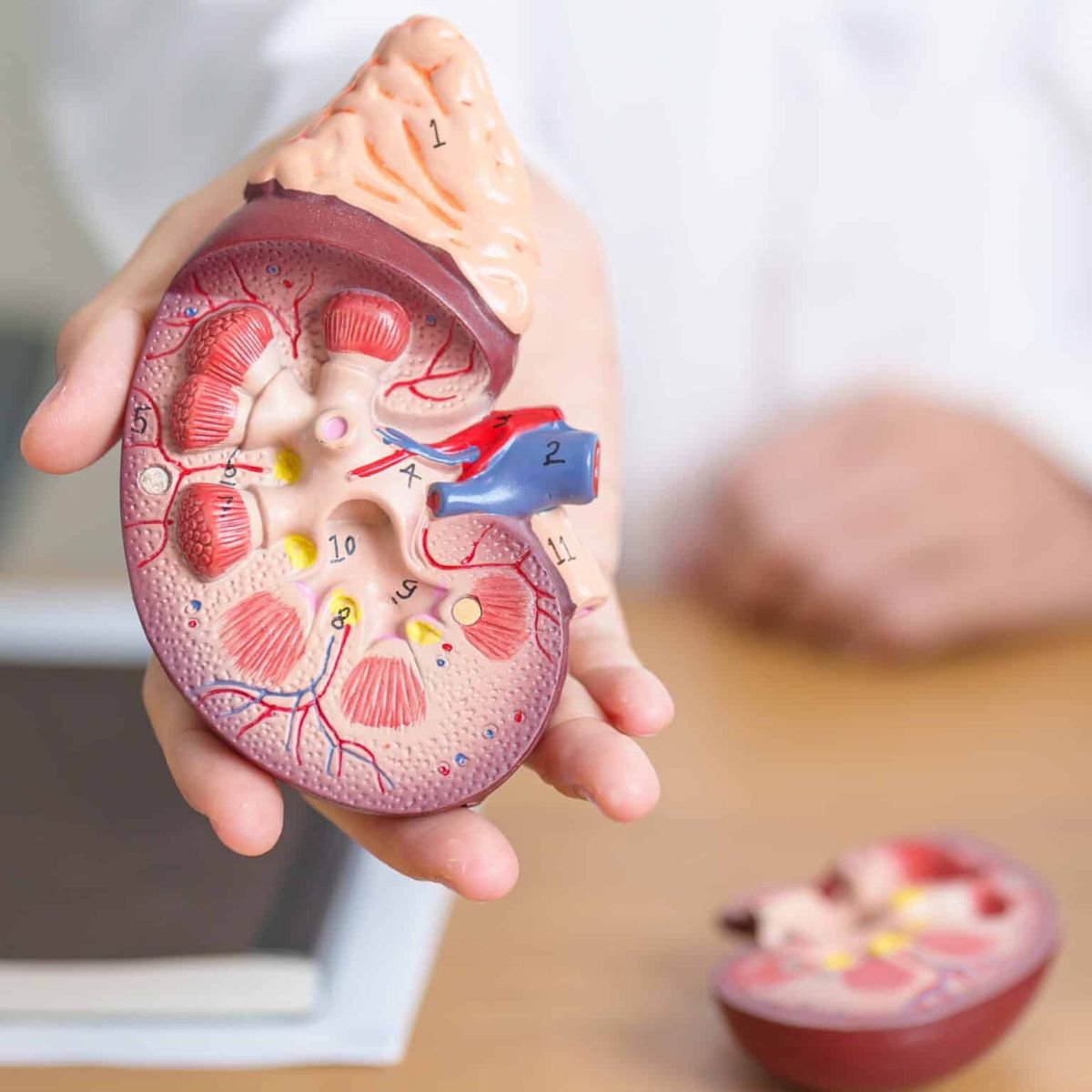
Renal failure, also known as kidney failure, is a serious medical condition in which the kidneys lose their ability to filter waste products, remove excess fluids, and maintain the body's electrolyte balance. Without timely diagnosis and treatment, kidney failure can lead to severe health complications.
If you are looking for expert Renal Failure Treatment in Gurgaon, Dr. P N Gupta, a highly experienced nephrologist with over 20 years of experience, offers comprehensive diagnosis, personalised treatment plans, dialysis guidance, and long-term kidney care. His patient-centred approach focuses on preserving kidney function, managing complications, and improving quality of life.
Renal failure occurs when one or both kidneys stop functioning properly. Healthy kidneys remove toxins, regulate blood pressure, balance body fluids, and produce hormones essential for overall health. When kidney function declines significantly, waste products accumulate in the bloodstream, affecting multiple organs.
Kidney failure may develop suddenly (Acute Kidney Injury) or gradually over time (Chronic Kidney Disease leading to renal failure). Early diagnosis and proper treatment are essential to prevent permanent kidney damage.

Acute kidney failure develops suddenly, often within hours or days. It is usually caused by severe dehydration, infections, medications, urinary obstruction, or reduced blood supply to the kidneys. In many cases, early treatment can restore kidney function.
Chronic kidney failure develops gradually over months or years due to conditions such as diabetes, hypertension, inherited kidney diseases, or chronic inflammation. Advanced stages may require dialysis or kidney transplantation.
Whether you have newly diagnosed kidney disease or advanced renal failure, early treatment can help protect kidney function and improve long-term health. Consult Dr. P. N. Gupta for comprehensive renal failure management and personalized kidney care.
A comprehensive evaluation helps determine the cause, severity, and stage of kidney failure, allowing for timely and personalized treatment.
Early diagnosis and appropriate treatment can slow disease progression, preserve kidney function, and improve long-term health outcomes.
Find answers to common questions about renal failure, treatment options, dialysis, and kidney transplantation.