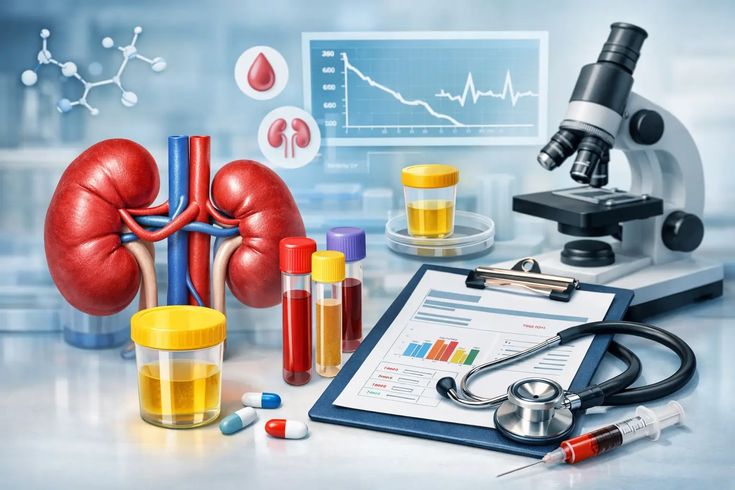
Nephrotic Syndrome is a condition in which the kidneys allow large amounts of protein to leak into the urine because the filtering units become damaged. This loss of protein can lead to swelling, weight gain, fatigue, and an increased risk of infections and blood clots.
Dr. P. N. Gupta provides comprehensive evaluation and personalized treatment for Nephrotic Syndrome, focusing on identifying the underlying cause, controlling symptoms, reducing protein loss, and preserving kidney function through evidence-based medical care.
Nephrotic Syndrome is not a single disease but a group of symptoms caused by damage to the kidney's filtering units (glomeruli). Healthy kidneys retain essential proteins in the bloodstream, but damaged kidneys allow these proteins to pass into the urine. Without appropriate treatment, the condition may increase the risk of chronic kidney disease and other serious complications. Early diagnosis, regular monitoring, and timely treatment play a vital role in protecting kidney health and improving long-term outcomes.

Early diagnosis and timely treatment can help control Nephrotic Syndrome, reduce complications, and protect your kidney function. Consult Dr. P. N. Gupta for expert evaluation and personalized kidney care.
An accurate diagnosis helps determine the cause of Nephrotic Syndrome and guides the most appropriate treatment plan. Your doctor may recommend the following investigations:
Detects excessive protein loss in the urine, a key sign of Nephrotic Syndrome.
Measures the total amount of protein lost in urine over a full day.
Evaluate kidney performance, protein levels, and overall health.
Additional investigations such as lipid profile, kidney ultrasound, autoimmune screening, and kidney biopsy (when required) help identify the underlying cause.
Treatment depends on the underlying cause and severity of the condition. The goal is to reduce protein loss, control symptoms, prevent complications, and preserve kidney function.
Find answers to common questions about Nephrotic Syndrome, its causes, treatment, and long-term kidney health.