kidneycareclinicggn@gmail.com
+91 9311490023

Accurate Diagnosis for Better Kidney Care

A kidney biopsy plays an important role in identifying the underlying cause of many kidney diseases. It helps determine the severity of kidney damage, guides treatment decisions, and allows doctors to monitor the effectiveness of ongoing therapy.

Dr. P. N. Gupta performs ultrasound-guided kidney biopsies with a strong focus on patient safety, precision, and accurate diagnosis. Every procedure is carefully planned to provide reliable results while minimizing discomfort and complications.

What is a Kidney Biopsy?

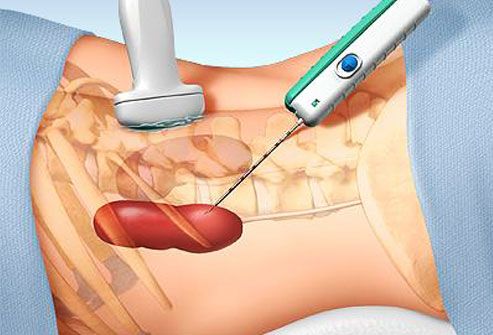
A kidney biopsy is a procedure in which a very small sample of kidney tissue is collected using a special biopsy needle under ultrasound guidance. The tissue sample is carefully examined in a laboratory to identify abnormalities affecting the kidneys. This investigation helps diagnose conditions that cannot be confirmed through blood tests, urine tests, or imaging alone, allowing doctors to recommend the most appropriate treatment for each patient.

Kidney Biopsy

When is a Kidney Biopsy Recommended?

Persistent Protein in the Urine (Proteinuria)
Blood in the Urine (Hematuria)
Unexplained Decline in Kidney Function
Nephrotic Syndrome
Glomerulonephritis
Acute Kidney Injury (AKI)
Suspected Autoimmune Kidney Disease
Kidney Transplant Dysfunction
Unexplained Swelling with Abnormal Kidney Tests

Benefits of a Kidney Biopsy

Provides an Accurate Diagnosis

Identifies the Type of Kidney Disease

Helps Determine Disease Severity

Guides Personalized Treatment

Assesses Response to Treatment

Supports Long-term Kidney Care Planning

Helps Avoid Unnecessary Medications

Get an Accurate Diagnosis for Better Kidney Health

Early and precise diagnosis is the first step toward effective treatment. Consult Dr. P. N. Gupta for a safe, ultrasound-guided kidney biopsy and personalized care for kidney disorders.

How is the Procedure Performed?

A kidney biopsy is usually performed under ultrasound guidance to ensure maximum accuracy and safety. The procedure is minimally invasive and typically completed within a short period.

Medical Evaluation Before the Biopsy

Local Anesthesia to Numb the Area

Ultrasound Guidance for Accurate Needle Placement

Collection of a Small Kidney Tissue Sample

Observation for a Few Hours After the Procedure

Follow-up Instructions Before Discharge

Preparation Before Kidney Biopsy

Blood Clotting Tests
Blood Pressure Assessment
Temporary Discontinuation of Blood-Thinning Medications
Fasting if Required
Reviewing Current Medications and Medical History

Recovery After Kidney Biopsy

After the biopsy, patients are monitored for a few hours to ensure there are no immediate complications. Following the recommended recovery instructions helps promote healing and reduces the risk of complications.

Rest for 24–48 Hours

Avoid Heavy Lifting for a Few Days

Drink Adequate Fluids

Follow Prescribed Medications

Attend Scheduled Follow-up Visits

Frequently Asked Questions

Find answers to common questions about kidney biopsy, the procedure, safety, and recovery.

The procedure is performed under local anesthesia. Most patients experience only mild discomfort or pressure during the biopsy.

The biopsy itself usually takes about 20 to 30 minutes, followed by a few hours of observation before discharge.

Yes. When performed by an experienced nephrologist using ultrasound guidance, a kidney biopsy is generally considered safe with a low risk of complications.

It helps determine the exact cause of kidney disease, allowing doctors to recommend the most appropriate treatment and improve long-term outcomes.

Results are typically available within a few days, depending on the laboratory evaluation and any additional specialized testing required.