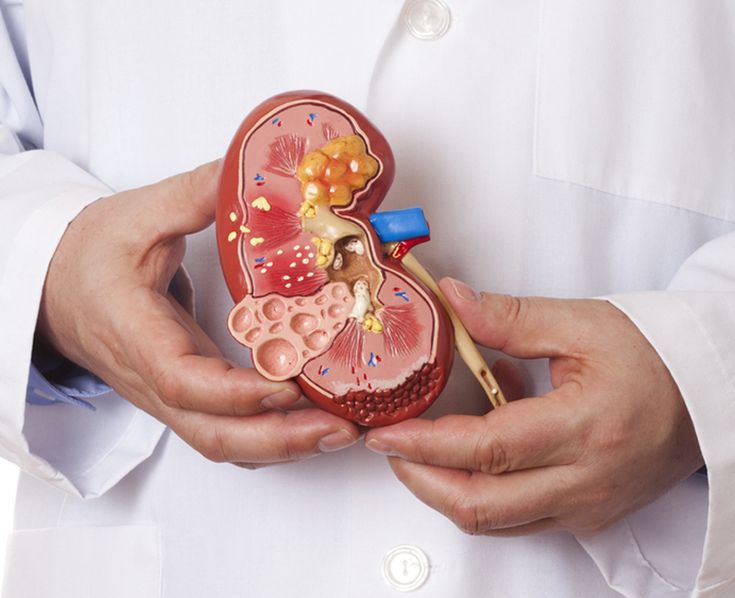
Your kidneys play an essential role in maintaining overall health. They filter waste and excess fluids from the blood, help regulate blood pressure, support healthy red blood cell production, and maintain the body’s fluid and mineral balance. When kidney function begins to decline, early diagnosis and appropriate treatment can help manage the condition and protect remaining kidney function.
If you are looking for kidney disease treatment in Gurgaon, consulting a qualified nephrologist can help you understand your condition and the treatment options available. Dr. P N Gupta, a nephrologist in Gurgaon, provides evaluation and management for patients with various kidney-related conditions.
What Is Kidney Disease?
Kidney disease refers to conditions that affect the structure or function of the kidneys. Some kidney problems may develop gradually without obvious symptoms, while others can cause noticeable changes such as swelling, changes in urination, fatigue, or blood pressure problems.
Chronic kidney disease (CKD) is particularly important because kidney function can decline progressively over time. Diabetes, high blood pressure, certain autoimmune conditions, recurrent kidney infections, kidney stones, and some inherited conditions can contribute to kidney problems.
Early evaluation is important because appropriate management may help slow the progression of kidney disease.
When Should You See a Kidney Specialist?
Many people wait until symptoms become severe before consulting a specialist. However, kidney disease may remain silent during its early stages. You should consider consulting a nephrologist if you experience persistent or unexplained symptoms or have conditions that increase your risk of kidney disease.
1. Changes in Urination
Changes in urination can sometimes indicate a kidney or urinary-system problem. These may include:
- Urinating much more or less frequently than usual
- Foamy or unusually bubbly urine
- Blood in the urine
- Increased urination at night
- Difficulty or discomfort while urinating
- Not every urinary change is caused by kidney disease, but persistent or unexplained changes should be medically evaluated.
2. Swelling in the Feet, Legs or Around the Eyes
The kidneys help remove excess fluid from the body. When kidney function is impaired, fluid may accumulate and cause swelling, particularly around the ankles, feet, legs, or eyes.
Persistent swelling should not be ignored, especially when it occurs along with changes in urination, high blood pressure, or unexplained weight changes.
3. High Blood Pressure
High blood pressure and kidney disease are closely connected. Long-term uncontrolled blood pressure can damage the blood vessels within the kidneys, while kidney disease can also contribute to high blood pressure.
People with difficult-to-control or long-standing hypertension may benefit from kidney function assessment and regular monitoring.
4. Diabetes
Diabetes is one of the important risk factors for kidney disease. High blood glucose levels over time can damage the small blood vessels in the kidneys.
People with diabetes should have regular kidney health assessments as recommended by their doctor. Detecting kidney involvement early can allow appropriate measures to be taken before significant kidney function is lost.
5. Abnormal Kidney Test Results
A doctor may recommend seeing a nephrologist if blood or urine tests show abnormalities. Tests such as serum creatinine, estimated glomerular filtration rate (eGFR), urine protein, or urine albumin can provide important information about kidney health.
An abnormal result does not always mean that a person has chronic kidney disease. A nephrologist can interpret the results in the context of the patient’s overall health and determine whether further evaluation is necessary.
Common Kidney Conditions Treated by a Nephrologist
A nephrologist specialises in the diagnosis and medical management of kidney disorders. Depending on the patient’s condition, kidney care may involve:
- Chronic kidney disease
- Acute kidney injury
- Kidney failure
- Diabetic kidney disease
- Hypertension-related kidney problems
- Protein or blood in the urine
- Electrolyte and fluid disorders
- Certain kidney infections
- Kidney-related complications of other medical conditions
- Patients requiring dialysis or evaluation for kidney replacement therapy
- The treatment approach depends on the underlying cause, stage of kidney disease, symptoms, and overall health.
How Is Kidney Disease Diagnosed?
Diagnosis generally begins with a detailed medical history and physical examination. Depending on the suspected condition, a nephrologist may recommend blood tests, urine tests, blood pressure monitoring, kidney imaging, or other investigations.
Common assessments may include serum creatinine and eGFR to evaluate kidney filtration, along with urine testing to identify protein or blood. Additional tests may be required to determine the underlying cause of kidney dysfunction.
Early diagnosis can be particularly valuable in chronic kidney disease because treatment may focus on controlling contributing conditions and slowing further deterioration.
What Does Kidney Disease Treatment Involve?
Treatment depends on the type and severity of kidney disease. There is no single treatment suitable for every patient.
Management may include controlling blood pressure and blood glucose, making appropriate dietary and lifestyle changes, treating underlying conditions, adjusting medications, and regularly monitoring kidney function.
For advanced kidney disease, a nephrologist may discuss kidney replacement therapy, including dialysis or kidney transplantation, when appropriate.
Patients should not start, stop, or change medicines or supplements without medical advice, as some medicines may require dose adjustments when kidney function is reduced.
Why Early Kidney Care Matters
Kidney disease can progress without producing significant symptoms in its early stages. By the time symptoms become obvious, kidney function may already be considerably affected.
Regular monitoring is particularly important for people with diabetes, hypertension, a family history of kidney disease, previous kidney problems, or other recognised risk factors.
Seeking specialist advice at the right time can help identify kidney problems earlier and support an appropriate long-term management plan.
Kidney Disease Treatment in Gurgaon with Dr. P N Gupta
If you are experiencing symptoms associated with kidney problems or have abnormal kidney test results, consulting a nephrologist can help you understand what they mean and whether further evaluation is needed.
Dr. P N Gupta provides nephrology care in Gurgaon, with a focus on evaluation, diagnosis, treatment planning, and ongoing management of kidney-related conditions.
If you are searching for kidney disease treatment in Gurgaon, consider discussing your symptoms, medical history, and kidney test results with a qualified specialist. Early attention to kidney health can be an important step toward better long-term management.
Disclaimer: This article is intended for general educational purposes and should not replace consultation with a qualified medical professional. Treatment decisions should be based on an individual medical evaluation.