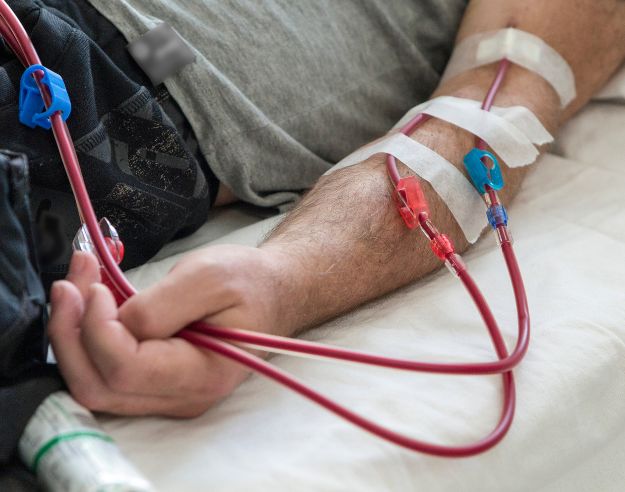
How to Choose the Right Dialysis Centre in Gurgaon
Choosing the right dialysis centre is an important decision for anyone living with advanced kidney disease or kidney failure. Dialysis is not simply a procedure that takes place once or twice—it can become an essential part of a patient’s ongoing healthcare routine. Therefore, selecting a centre with experienced medical professionals, appropriate facilities, reliable dialysis services, and proper nephrology support can make a significant difference to the overall treatment experience.
If you are searching for dialysis treatment in Gurgaon, it is important to look beyond location and cost. The right dialysis centre should provide safe, well-supervised treatment while ensuring that your individual medical needs are properly assessed and monitored.
Here are some important factors to consider when choosing a dialysis center Gurgaon patients can rely on.
1. Check the Expertise of the Nephrology Team
One of the first things to consider is the experience and qualifications of the nephrologist overseeing your care. Dialysis patients may have complex medical needs, including chronic kidney disease, diabetes, hypertension, cardiovascular problems, electrolyte abnormalities, or complications related to kidney failure.
An experienced nephrologist can assess your condition, determine the appropriate treatment approach, monitor your progress, and make adjustments when necessary.
Dr. P. N. Gupta is a nephrologist and kidney transplant specialist with more than 20 years of experience in Internal Medicine and Nephrology. His clinical expertise includes chronic kidney disease, dialysis, hypertension, diabetic kidney disease, renal failure management, and kidney transplantation.
When comparing dialysis centres, ask whether qualified nephrology specialists are involved in your treatment and whether there is access to medical support when complications arise.
2. Understand the Dialysis Treatments Available
Not every patient requires exactly the same type of dialysis. Depending on your kidney function, overall health, lifestyle, and medical condition, your nephrologist may recommend different treatment options.
A comprehensive kidney care facility may provide options such as:
Hemodialysis
Online hemodiafiltration (HDF)
Peritoneal dialysis, including CAPD
Emergency dialysis
Long-term dialysis management
Dr. P. N. Gupta’s practice lists advanced hemodialysis, online hemodiafiltration, peritoneal dialysis, emergency dialysis, and long-term dialysis management among its dialysis-related services.
Having access to different treatment approaches can be useful because your dialysis requirements may change over time. Your nephrologist can recommend the most appropriate option based on your individual clinical needs.
3. Look for Proper Medical Supervision
Dialysis involves removing waste products and excess fluid from the blood when the kidneys are unable to perform these functions adequately. Because dialysis patients can experience changes in blood pressure, fluid balance, electrolytes, and other health parameters, proper medical supervision is important.
Before selecting a dialysis center Gurgaon patients should consider, ask about the level of nephrologist and clinical staff involvement during treatment.
You should understand:
Who supervises the dialysis sessions?
Is a trained dialysis team available?
How are changes in the patient’s condition handled?
Is medical assistance available in case of an emergency?
How frequently is the patient’s treatment reviewed by a nephrologist?
A centre with an integrated nephrology approach can help ensure that dialysis is considered as part of your overall kidney care rather than as an isolated procedure.
4. Consider the Centre’s Approach to Long-Term Kidney Care
Dialysis is often a long-term treatment, but kidney care should not stop at the dialysis session. Patients with chronic kidney disease may require continuous monitoring, medication management, dietary guidance, blood pressure control, diabetes management, and evaluation for other treatment options.
In some cases, appropriate early-stage CKD management may slow disease progression and potentially delay the need for dialysis. The website of Dr. P. N. Gupta notes that early diagnosis, medications, lifestyle modifications, and regular monitoring can, in many cases, help slow CKD progression and delay or potentially prevent the need for dialysis.
Therefore, when looking for dialysis treatment in Gurgaon, consider a centre where your kidney health can be monitored comprehensively over the long term.
5. Ask About Dialysis Access and Patient Assessment
Before starting regular hemodialysis, patients may need an appropriate vascular access, such as an arteriovenous fistula, graft, or catheter, depending on their individual situation.
Your nephrologist should evaluate your overall condition and discuss the appropriate dialysis access and treatment plan with you.
Patients should also understand how frequently their kidney function, blood pressure, fluid status, hemoglobin, electrolytes, and other relevant parameters will be monitored.
A personalized approach is particularly important because dialysis requirements can differ significantly from one patient to another.
6. Evaluate Emergency and Critical Care Support
Kidney failure can sometimes be associated with urgent medical situations requiring immediate attention. Fluid overload, severe electrolyte abnormalities, uncontrolled blood pressure, or acute deterioration in kidney function may require urgent medical assessment.
For this reason, it is useful to understand what emergency support is available through the nephrology team or associated hospital facilities.
Dr. P. N. Gupta’s listed nephrology services include critical care nephrology, renal failure management, and emergency dialysis, providing support for patients with more complex kidney-related needs.
When comparing centres, ask what arrangements are available if your condition changes suddenly or you develop a complication outside your scheduled dialysis session.
7. Consider Location and Convenience
Dialysis may require regular sessions, so convenience matters. A centre that is reasonably accessible from your home can make ongoing treatment easier for both patients and caregivers.
For patients looking for a dialysis center Gurgaon, consider:
Travel time from your home
Accessibility by car or public transport
Parking and waiting arrangements
Appointment scheduling
Availability of regular dialysis slots
Support for caregivers
Ease of communication with the medical team
A convenient location can help reduce the physical and logistical burden associated with frequent dialysis appointments.
8. Ask About Infection-Control Practices
Patients undergoing dialysis require careful attention to hygiene and infection prevention. When visiting a dialysis facility, observe whether the centre appears clean and well-organized and ask about its infection-control protocols.
You can ask the centre about:
Cleaning and disinfection procedures
Equipment maintenance
Dialysis machine hygiene
Hand hygiene practices
Management of patients with infectious conditions
Staff training and safety protocols
Do not hesitate to ask questions before beginning treatment. A professional dialysis team should be willing to explain its safety procedures clearly.
9. Consider Comprehensive Kidney Transplant Support
For some patients with advanced or end-stage kidney disease, kidney transplantation may eventually become a treatment option. Therefore, it can be beneficial to choose kidney care that also provides access to transplant expertise.
Dr. P. N. Gupta’s practice provides kidney transplant care, including pre-transplant evaluation, living donor transplantation, ABO-incompatible transplantation, high-risk transplantation, repeat transplantation, and post-transplant follow-up. The website also states that Dr. Gupta has contributed to more than 800 kidney transplants during his career.
Having access to transplant expertise can help patients understand their long-term treatment options and make informed decisions with their nephrologist.
10. Don’t Choose a Centre Based Only on Cost
Cost is naturally an important consideration, but it should not be the only factor when choosing dialysis treatment.
The cheapest option may not necessarily provide the level of medical supervision, expertise, facilities, and long-term care that you or your family member needs.
Instead, compare the overall value of the service, including:
Nephrologist expertise
Dialysis treatment options
Medical supervision
Emergency support
Infection-control practices
Equipment and infrastructure
Long-term kidney care
Accessibility
Patient communication
Transplant-related guidance, when appropriate
Your kidney health requires consistent and carefully supervised care, so the quality and continuity of treatment should remain a priority.
Why Choosing the Right Dialysis Centre Matters
The right dialysis centre can become an important part of your long-term healthcare journey. A good centre should combine qualified nephrology expertise, appropriate dialysis options, careful monitoring, patient safety, and comprehensive kidney care.
If you are searching for dialysis treatment in Gurgaon, start by discussing your medical condition with a qualified nephrologist rather than choosing a centre solely based on proximity or price. Your doctor can help determine whether dialysis is necessary and which treatment approach is appropriate for you.
For patients seeking specialized nephrology and dialysis care, Dr. P. N. Gupta provides care for chronic kidney disease, dialysis, renal failure, hypertension, diabetic kidney disease, and kidney transplantation. His practice is located at B 115, LGF, Supermart 1, DLF Phase 4, Gurugram.
Frequently Asked Questions
How do I choose a dialysis centre in Gurgaon?
Look for an experienced nephrology team, appropriate dialysis facilities, trained staff, infection-control practices, emergency support, convenient location, and access to comprehensive long-term kidney care.
What types of dialysis are available?
Depending on the patient’s medical condition, treatment options may include hemodialysis, online hemodiafiltration, peritoneal dialysis, emergency dialysis, and long-term dialysis management. The appropriate option should be decided by a nephrologist.
Is dialysis required for every kidney disease patient?
No. Dialysis is generally considered when kidney function becomes severely impaired or when specific complications require renal replacement therapy. Patients with earlier-stage chronic kidney disease may sometimes delay progression through appropriate medical management and regular monitoring.
Should I consult a nephrologist before starting dialysis?
Yes. A nephrologist should evaluate your kidney function, symptoms, overall health, and laboratory results to determine whether dialysis is required and which treatment approach is appropriate.
Can dialysis patients eventually receive a kidney transplant?
Some patients with kidney failure may be evaluated for kidney transplantation. Eligibility depends on several medical and individual factors, so a nephrologist and transplant team should assess each patient separately.