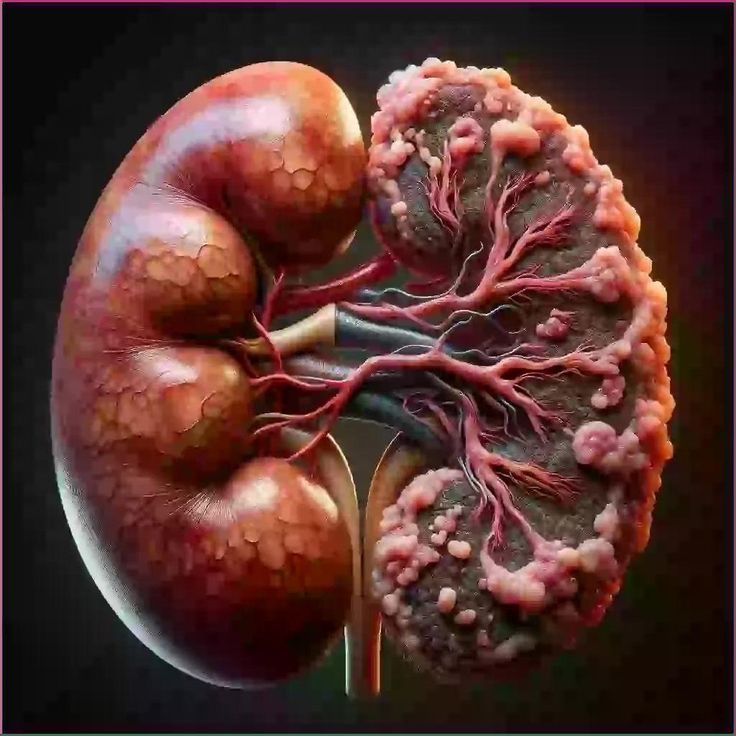
The honest answer is: it depends on the type and stage of kidney disease. Some forms of kidney damage can be fully reversed with timely treatment, while others can only be slowed down or managed. Understanding this difference is the first step toward protecting your kidney health and choosing the right Kidney Disease Treatment in Gurgaon.
In this blog, we break down the facts about kidney disease reversibility, what determines the outcome, and how early diagnosis and expert nephrology care can make a real difference.
Understanding the Two Types of Kidney Disease
Before discussing reversibility, it's important to understand that kidney disease is broadly classified into two categories:
1. Acute Kidney Injury (AKI)
AKI is a sudden, short-term decline in kidney function, often triggered by dehydration, infections, certain medications, low blood pressure, or a medical event such as surgery or sepsis. Because the damage happens quickly and the underlying cause is usually identifiable, AKI is frequently reversible — especially when treated promptly. With appropriate medical care, many patients regain normal or near-normal kidney function within days to weeks.
2. Chronic Kidney Disease (CKD)
CKD develops gradually, over months or years, and is usually caused by long-standing conditions like diabetes, high blood pressure, or glomerular diseases. Unlike AKI, CKD involves progressive scarring of kidney tissue, which generally cannot be undone. However, this doesn't mean nothing can be done — the progression of CKD can often be significantly slowed, and in early stages, kidney function can sometimes improve with the right interventions.
So, Can Kidney Disease Be Reversed? The Real Answer
Here's a clearer breakdown based on stage and cause:
Stage 1–2 CKD (mild damage): Often manageable and sometimes partially reversible if the underlying cause (like uncontrolled blood sugar or blood pressure) is treated early and aggressively.
Stage 3 CKD (moderate damage): Reversal is unlikely, but progression can be slowed considerably with medication, diet, and lifestyle changes.
Stage 4–5 CKD (severe damage/kidney failure): Kidney tissue damage at this stage is generally permanent. Treatment focuses on symptom management, delaying dialysis, and planning for renal replacement therapy such as dialysis or transplantation.
Acute Kidney Injury: Frequently reversible if identified and treated quickly, especially when the cause (dehydration, infection, medication reaction) is addressed early.
The key takeaway: the earlier kidney disease is caught, the better the chances of stabilizing or even reversing damage. This is why regular check-ups and early consultation with a nephrologist are so important, particularly for people with diabetes, hypertension, or a family history of kidney disease.
Factors That Influence Whether Kidney Disease Can Be Reversed
Several factors determine the outcome for each patient:
Underlying cause – Diabetic kidney disease behaves differently from kidney disease caused by infections or obstruction.
Stage at diagnosis – Earlier detection significantly improves outcomes.
Blood pressure and blood sugar control – Two of the biggest contributors to kidney damage progression.
Protein levels in urine (proteinuria) – Higher protein leakage often indicates more advanced damage.
Adherence to treatment – Consistent follow-up, medication compliance, and lifestyle changes make a measurable difference.
Access to specialized nephrology care – Timely and accurate treatment planning by an experienced kidney specialist can change the disease trajectory.
Treatment Options for Kidney Disease
Modern nephrology offers a wide range of treatment approaches depending on the type and severity of kidney disease:
Medication management to control blood pressure, blood sugar, and reduce protein in urine
Dietary and lifestyle modification to reduce strain on the kidneys
Treatment of the underlying cause, such as infections, autoimmune conditions, or obstructions
Dialysis (hemodialysis or peritoneal dialysis) for advanced kidney failure
Kidney transplantation, including living donor and ABO-incompatible transplants, for end-stage kidney disease
This is where specialized Kidney Disease Treatment in Gurgaon becomes essential — having access to an experienced nephrologist who can accurately diagnose the stage of disease and design a personalized treatment plan significantly improves long-term outcomes.
Why Early Nephrologist Consultation Matters
Many patients delay seeing a kidney specialist because early kidney disease often has no obvious symptoms. Warning signs to watch for include:
Persistent fatigue or weakness
Swelling in the legs, ankles, or around the eyes
Foamy or bubbly urine
Changes in urination frequency
Uncontrolled high blood pressure
Poorly controlled diabetes
If you notice any of these signs, or if you have diabetes, hypertension, or a family history of kidney disease, consulting a nephrologist for a kidney function evaluation is strongly recommended.
Expert Kidney Disease Treatment in Gurgaon with Dr. P N Gupta
For patients seeking reliable, evidence-based Kidney Disease Treatment in Gurgaon, Dr. P N Gupta offers over 20 years of dedicated experience in nephrology and kidney transplantation. As Director & HOD of Nephrology & Kidney Transplant at Paras Hospitals, Gurugram, Dr. Gupta has managed complex cases involving Chronic Kidney Disease, Diabetic Kidney Disease, Nephrotic Syndrome, and Kidney Failure, and has successfully contributed to over 800 kidney transplants, including ABO-incompatible and high-risk transplants.
Services offered include:
Chronic Kidney Disease (CKD) management
Kidney Transplantation, including ABO Incompatible Kidney Transplants
Haemodialysis and Online Haemodiafiltration
Nephrotic Syndrome treatment
Pre-Transplant and Post-Transplant Care
Preventive kidney care programs
Dr. Gupta's approach combines global clinical training with a patient-first philosophy, ensuring that every case is evaluated for the best possible chance of stabilizing or improving kidney function — not just managing symptoms.
Practical Steps to Protect Your Kidney Health
Whether or not kidney disease can be reversed in your case, these habits support better kidney function at every stage:
Keep blood pressure and blood sugar within target ranges
Stay adequately hydrated, but avoid excessive fluid if advised otherwise by your doctor
Limit salt, processed food, and excess protein intake as guided by your nephrologist
Avoid unnecessary painkillers (NSAIDs) and unprescribed supplements
Get routine blood and urine tests if you're at risk
Don't ignore swelling, fatigue, or changes in urination
Final Thoughts
So, can kidney disease be reversed? In many early and acute cases — yes, to a meaningful extent. In advanced chronic cases, complete reversal is unlikely, but disease progression can often be slowed dramatically with the right medical guidance, potentially delaying or avoiding dialysis altogether.
The single most important factor is early diagnosis and expert care. If you or a loved one has risk factors for kidney disease or is showing early warning signs, don't wait. Timely consultation with a specialist offering trusted Kidney Disease Treatment in Gurgaon can make the difference between manageable kidney disease and irreversible kidney failure.