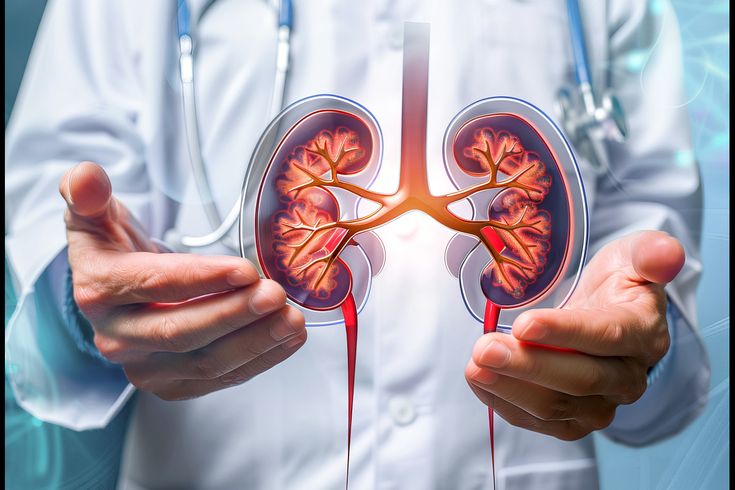
Chronic Kidney Disease (CKD) is a long-term condition in which the kidneys gradually lose their ability to filter waste, excess fluid and toxins from the blood. If you are looking for a Chronic Kidney Disease specialist in Gurgaon, Dr. P N Gupta provides evidence-based CKD treatment in Gurgaon — from early-stage monitoring and lifestyle guidance to advanced disease management, dialysis planning and kidney transplant care.
CKD often develops gradually and may not cause noticeable symptoms in its early stages. Without proper treatment, it can progress to kidney failure and require dialysis or kidney transplantation. Early detection plays a crucial role in preserving kidney function and improving long-term health.
Dr. P. N. Gupta provides comprehensive care for patients with CKD, focusing on accurate diagnosis, individualised treatment plans, lifestyle modification, blood pressure control, diabetes management and regular monitoring to help delay disease progression and improve quality of life.
Chronic Kidney Disease (CKD) is a condition in which the kidneys gradually become damaged and lose their ability to filter waste products, maintain fluid balance, regulate blood pressure, and produce essential hormones. Since CKD progresses slowly over time, early diagnosis, regular monitoring, and timely treatment are essential to protect kidney function and reduce the risk of kidney failure.

Chronic Kidney Disease (CKD) may develop due to several underlying medical conditions, including:
Early diagnosis and expert treatment can help slow the progression of Chronic Kidney Disease (CKD) and reduce the risk of kidney failure. Schedule a consultation with Dr. P. N. Gupta for personalized kidney care.
With normal kidney function.
In kidney function.
Requiring regular monitoring.
In kidney function with preparation for advanced treatment.
Requiring dialysis or kidney transplantation.
To accurately diagnose Chronic Kidney Disease (CKD), the following investigations may be recommended:
CKD treatment in Gurgaon with Dr. P N Gupta is planned according to the stage and underlying cause of kidney damage, and typically includes:
Get answers to the most common questions about Chronic Kidney Disease (CKD), its treatment, prevention, and kidney health.